

Government

Intelligence for Strategic Awareness and National Resilience

Strategic Situational Awareness and National Resilience Intelligence

Connecting Intelligence.
Enabling National Response.

Connecting scattered information to enable a response at the national level

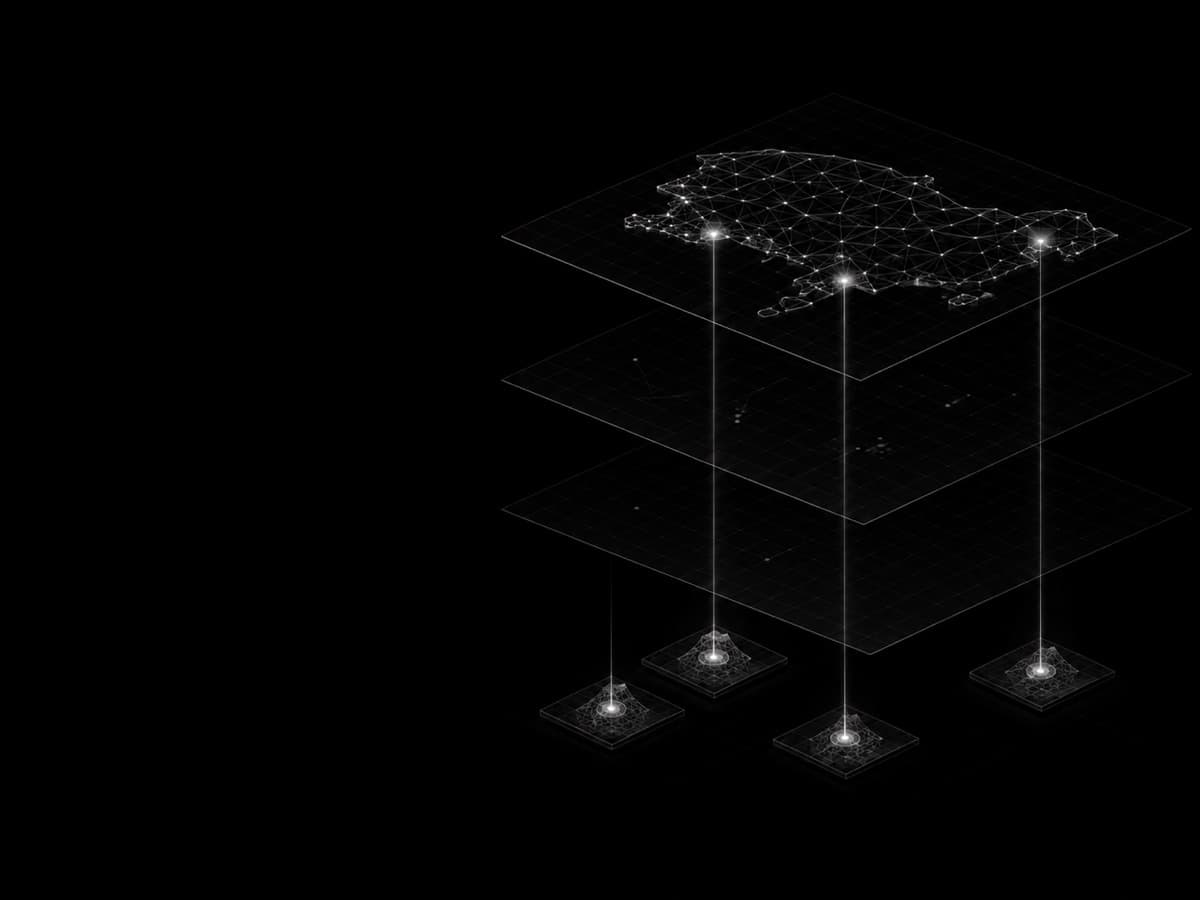
Powered by AI and national strategic intelligence, we analyze cyber, diplomatic, economic, industrial, and geopolitical signals together to strengthen national situational awareness and strategic early warning, and to support proactive decision-making against complex threats.

Defined Friction Points

Intelligence Gaps in National Security Response

Intelligence Gaps That Undermine National Security Response

Cyber Security
01

Limited Whole-of-Government Threat Visibility

  • -Threat information is scattered across ministries, critical infrastructure operators, private-sector providers, and allied nations, making it difficult to build a unified operational picture.
  • -The complexity of analyzing cascading effects across telecommunications, energy, logistics, and finance, and of setting response priorities.
02

Attribution and National Response

  • -Concealment techniques such as proxy organizations, legitimate tools, and stolen accounts make it difficult to analyze attack activities and the links between actors.
  • -The burden of verification involved in structuring technical evidence into a basis that can support public alerts, sanctions review, international cooperation, and reporting to relevant agencies.
03

Critical Infrastructure Interdependencies

  • -The complexity of delineating roles and coordinating responses between privately operated critical infrastructure and national security responsibilities.
  • -The burden of analyzing cascading effects, where a single breach can spread across multiple domains such as telecommunications, energy, transportation, and logistics.
Strategic Data Intelligence
01

Strategic Intelligence Integration

  • -A lack of the analytical foundation needed to examine correlations and strategic implications across cyber, diplomatic, economic, industrial, and geopolitical information.
  • -Differences in terminology and classification criteria across agencies delay the consolidation of integrated assessments for leadership reporting.
Industry Approaches

Strategic Intelligence Framework

Intelligence framework supporting national strategy from response to decision

Strategic Warning & National Situational Awareness

Anticipatory Threat Awareness

  • - Integrating and analyzing the dark web, Telegram, hacking forums, leaked accounts, APT infrastructure, and vulnerability information to identify early indicators of threats to national functions.
  • - Setting response priorities based on impact across telecommunications, energy, transportation, logistics, and strategic industries, and strengthening early-warning capabilities.

Attribution for National Deterrence

Evidence-Driven Deterrence

  • - Analyzing APT tactics, infrastructure, and recurring targets, and tracking the operational foundations of attacks such as botnets, remote access tools, and stolen accounts.
  • - Structuring technical evidence of intrusions into actionable grounds that can support sanctions review, public alerts, international cooperation, and reporting to relevant agencies.

Critical Infrastructure Resilience

Coordinated Protection of Critical Functions

  • - Analyzing attack paths and points of exposure across telecommunications, energy, transportation, water, logistics, and strategic technology sectors to identify risks of disruption to national functions in advance.
  • - Weighing the potential for damage to spread, the level of attacker activity, and the need for international cooperation together to coordinate the order of response and the actions of relevant agencies.

Integrated Intelligence for Strategic Decisions

Government Knowledge Framework

  • - Connecting information on threat actors, critical infrastructure, industries, policies, sanctions targets, and relevant agencies to interpret scattered threat information within a national security context.
  • - Analyzing cyber, diplomatic, economic, industrial, and geopolitical information together to provide grounds for assessing impact on national functions and for command decision-making.

Explore More